Is Too Much Spicy Food Causing Our Taste Buds to Burn Out?
That fiery burn you feel when biting into a hot pepper isn’t heat. It is capsaicin pulling a fast one on your brain. It sends a signal to your nervous system that says, “Hey, there’s fire here!” even though there isn’t. So, it is a clever chemical illusion, but it sure feels real.
What is actually happening is your nerves are being stimulated, not scorched. As Professor Robin Dando explains, your tissues aren’t damaged. They just think they are. It is a fake-out, not a meltdown.
Spice Doesn’t Destroy Your Taste Buds
So let’s get this straight. Spicy food doesn’t destroy your taste buds. You are not burning them off one taco at a time. But that doesn’t mean nothing is happening. Over time, something does change, just not in the way people think.
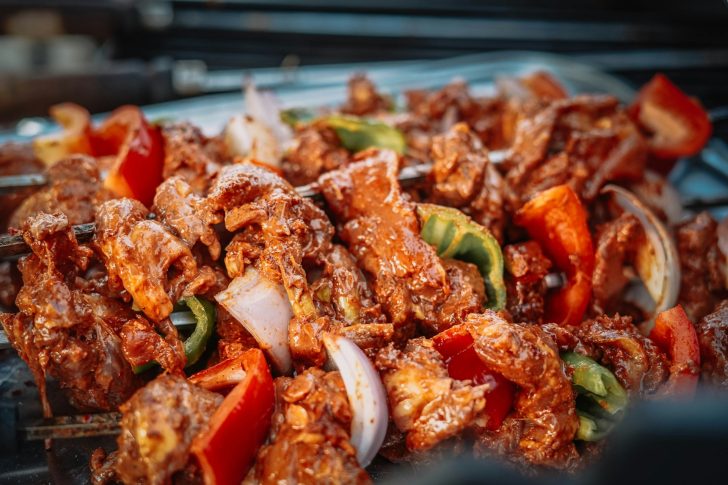
Dolores / Unsplash / When you repeatedly expose your mouth to high-heat peppers or ultra-flavored snacks, your nerves adapt. They stop reacting as strongly.
That is why people who love spice always seem to want more. They are chasing the same thrill, but their brains have gotten used to the signal.
This is what scientists call desensitization. It is not just about heat either. Overexposure to salty, sweet, or rich umami flavors can also dull your response. Your tongue adjusts. It needs more intensity to feel the same effect.
‘Flavor Overload’ Is Changing How We Eat
Now zoom out. Think about how most of us eat today. Flamin’ hot chips. Sweet energy drinks. Sauces that punch you in the face. We are surrounded by foods that are engineered to overwhelm our senses.
This “flavor-blasted” world disrupts our experience of food. After a bag of spicy chips, a bowl of homemade soup might taste flat. That is not because the soup is bad. Your taste buds are just too busy recovering from the last flavor bomb.
But this shift is temporary. Your taste system isn’t broken. It is just numbed for now. After a reset, it can snap back.
The more we train ourselves to expect big, bold flavor, the less satisfied we feel with the real stuff. A perfectly ripe peach or a fresh tomato might seem boring in comparison. That is not your fault. It is your flavor expectations playing tricks on you.
There is also something called “novelty fatigue.” People who are open to new foods tend to be more tuned into flavor differences. But if you eat the same spicy-hot-salty-sweet combo all the time, your brain checks out. You stop noticing the little things, and that can mess with how you enjoy food.

Maxime / Unsplash / Professor Dando compares it to cold water because it works similarly. At first, it is a shock. Then, you get used to it.
Yes, You Can Reset Your Palate
So, what can you do if your taste buds feel a little numb?
Good news: you can reset. Like stepping out of cold water, your nerves bounce back. Take a break from the intense stuff. Skip the sriracha for a week. Choose simpler meals. Give your taste buds a breather.
Pull away, and the sensitivity returns. It is not permanent. You are not stuck.
After the reset, you might notice flavors again that you haven’t really tasted in a while. A hint of lemon. The snap of a cucumber. The sweetness of roasted carrots. It is a quieter kind of satisfaction, but it is real. And your body thanks you for it.
So no, spicy food isn’t burning your taste buds off. However, it changes how you taste for a while. The more you chase big flavor, the less you notice the small stuff. And the small stuff is where real food lives.